

Tech-Driven Experiences
How to Incorporate Technology in Interactive Entertainment
In today's fast-paced world, technology plays a pivotal role in transforming the way we experience entertainment. The market reflects this shift clearly: the global augmented and virtual reality market is projected to jump from roughly $30.26 billion in 2025 to about $40.76 billion in 2026, according to Fortune Business Insights. This article explores the technologies that can elevate your events, along with the data behind why each one works.
Virtual Reality (VR) Experiences
One of the most exciting developments in interactive entertainment is Virtual Reality. By allowing attendees to step into a fully immersive world, VR can enhance storytelling and create unique experiences that a physical setup alone can't replicate. According to InEvent's research on AR/VR in events, VR-based networking replaces the usual handshake-and-business-card exchange with avatar-driven interaction in a shared virtual room, removing much of the awkwardness that keeps traditional networking stiff. Here are some ideas on how to implement VR:
- Virtual Tours: Offer guests the chance to explore venues or distant locations without leaving the event.
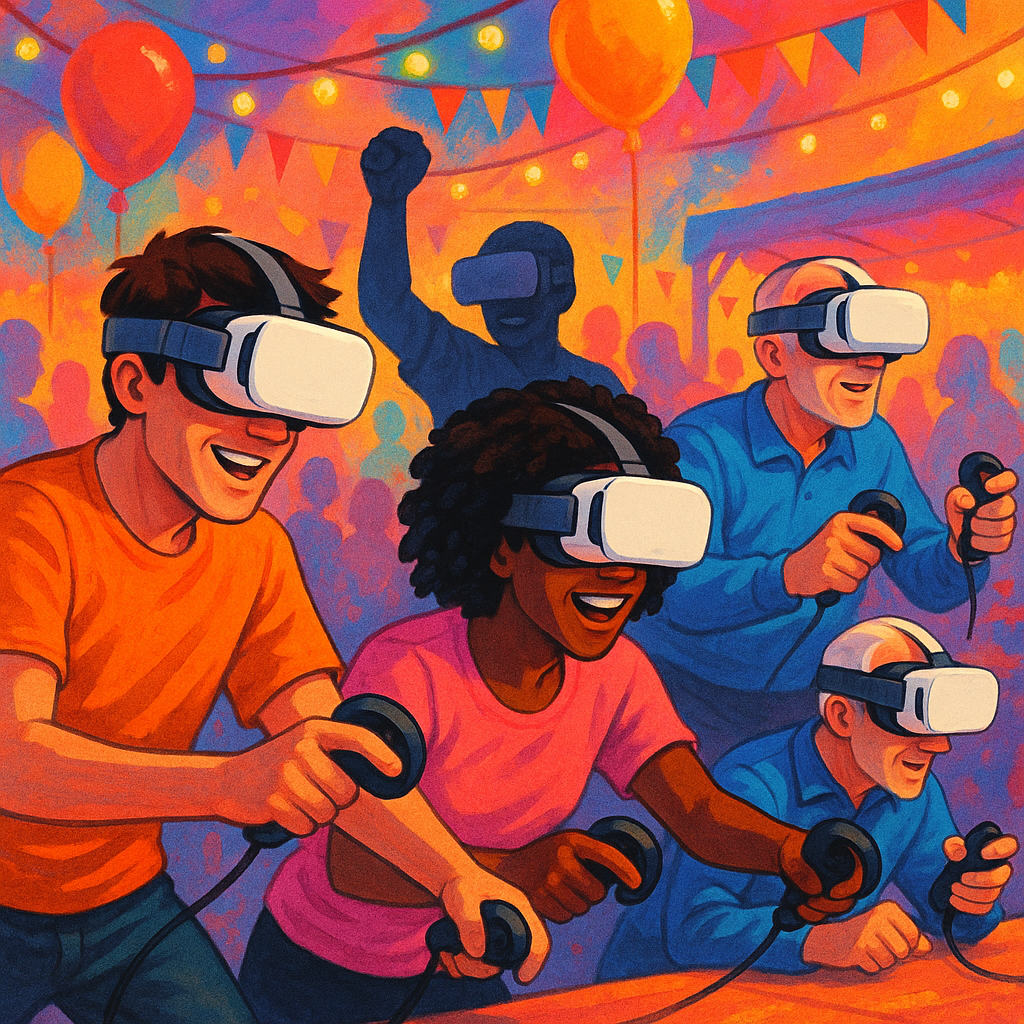
- Interactive Games: Set up VR gaming stations for friendly competitions among guests, giving quieter attendees a low-pressure way to participate.
- Experiential Marketing: Use VR for product launches or brand experiences that engage the senses.
The retention upside is well documented. In VR-based medical training environments, students increased knowledge retention by up to 63% and improved engagement by up to 72% compared to traditional formats, per HQSoftware's 2026 VR trends report. The same mechanism — active, embodied learning instead of passive listening — is what makes VR effective for corporate storytelling and brand activations at live events.
Gamification
Gamification brings game mechanics into non-gaming contexts, and it's one of the best-documented levers on this list. IBM's internal social network saw a 92% increase in comments posted after adding a leaderboard; when it was removed, activity dropped by 52%, according to case-study data compiled by Visu Network. Here's how to implement it successfully:
- Point Systems: Create a point system for participation, encouraging attendees to engage with various activities.
- Leaderboards: Display real-time leaderboards to inspire healthy competition. Data from over 14,500 active gamification boards analyzed by Leaderboarded found that 72% of organizers land on a single, simple ranked list rather than a complex points-and-badges system — simplicity tends to outperform complexity.
- Rewards: Offer incentives and prizes for participants. Broader research shows this kind of mechanic can drive a 100%–150% jump in engagement compared to non-gamified formats, per AmplifAI's 2026 gamification statistics report.
Augmented Reality (AR)
Augmented Reality overlays digital information onto the real world, providing a unique interaction layer without replacing the physical event. As Ozum's overview of corporate AR/VR/AI trends outlines, AR can be used for interactive agendas, digital signage, and even gamification of networking — pointing a phone at a badge to instantly pull up someone's profile and mutual connections. Applications include:
- Interactive Displays: Use AR to bring static displays to life, letting guests access additional information via their smartphones.
- AR Experiences: Create scavenger hunts or interactive maps that guide attendees through the venue.
Consumer-level adoption is accelerating too — Statista's AR/VR market forecast projects user penetration reaching 54.9% in 2026, meaning a growing share of your guests will already be comfortable with this kind of interaction before they arrive.
Interactive Polling and Feedback
Engaging attendees in real-time through live polls or Q&A allows guests to voice their opinions rather than sitting through a one-way presentation. As EventMobi's guide to live polling notes, this format takes pressure off hosts by simplifying Q&A management while giving organizers usable data — poll results, sentiment, top questions — that can extend the event's life well past the day it happened.
This pairs well with our guides on event multimedia production and Event Production 360° for planners building out a full tech stack for their event.
What other experts and communities are saying
These outside references helped shape the buyer questions behind this article. The point isn't to repeat them, but to translate their most useful signals into a clearer technology recommendation.
- Top 5 Augmented and Virtual Reality Innovations Changing Events — InEvent
Referenced from inevent.com: VR and AR are moving networking away from handshakes and business cards toward gamified, avatar-based interaction that feels less awkward for attendees.
The useful point is connecting that networking angle to why VR is worth the investment beyond pure novelty.
- Virtual Reality Trends of 2026 — HQSoftware
Referenced from hqsoftwarelab.com: Immersive, hands-on VR environments consistently outperform passive formats on both engagement and knowledge retention.
The useful point is applying that retention research to brand storytelling and product launches, not just training.
- 50+ Gamification Statistics You Need to Know in 2026 — AmplifAI
Referenced from amplifai.com: Gamified experiences produce significantly higher engagement than non-gamified equivalents, with the effect compounding when paired with real-time feedback.
The useful point is showing planners that simple mechanics — not elaborate ones — usually drive the strongest results.
Frequently Asked Questions
What is the best technology for enhancing an event?
It depends on your goals and audience size. VR and AR work well for immersive storytelling and brand experiences, gamification is strongest for driving repeat participation over a multi-hour event, and live polling is the simplest entry point for turning a passive session into a conversation.
How can I measure the success of interactive technologies at my event?
Success can be measured through attendee engagement, feedback, and participation rates — poll response rates, leaderboard activity, or dwell time at a VR or AR station, compared against a previous event with the same audience.
Bring Your Event Into the Future
Let VNV Events design the right mix of VR, AR, gamification, and live polling for your audience and venue. Request a Quote today.