A Tent Is Not a Lightning Shelter: The 30-Minute Rule Every Outdoor Ceremony Needs
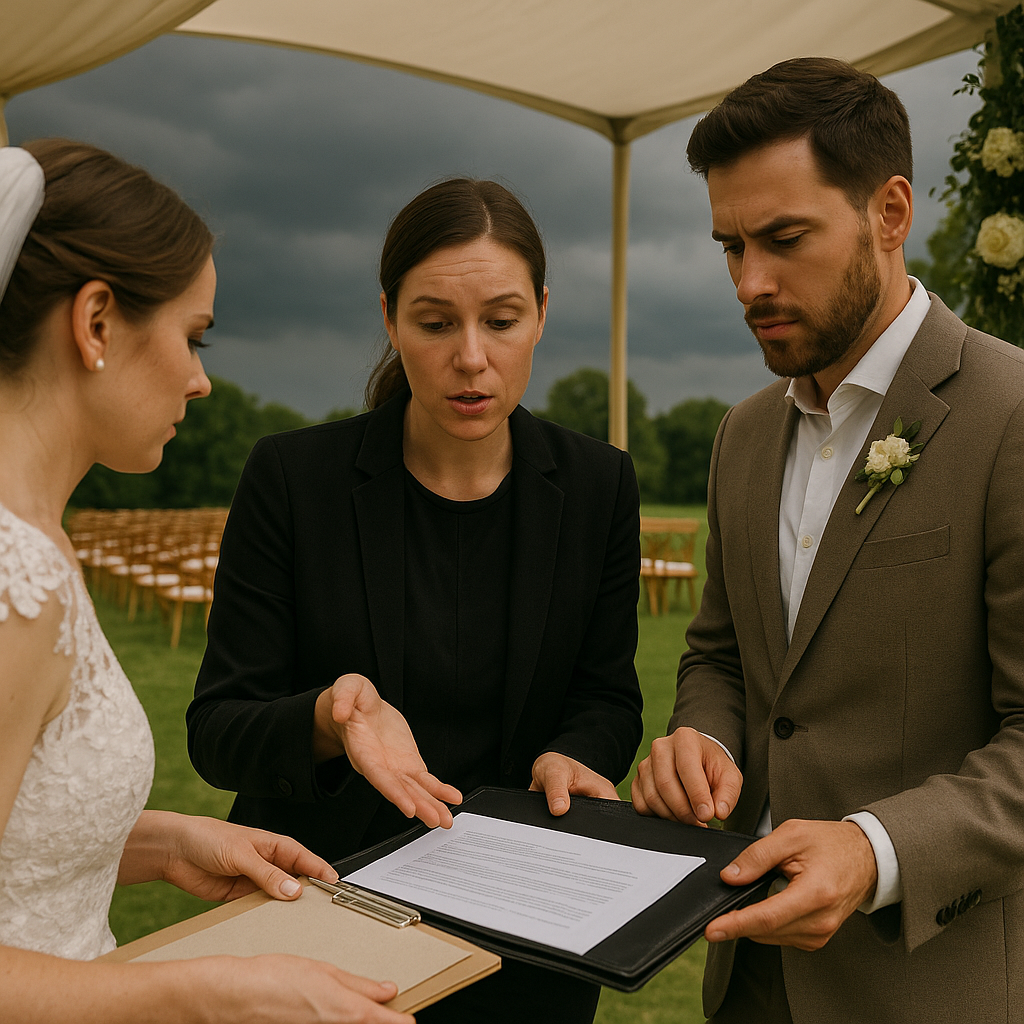
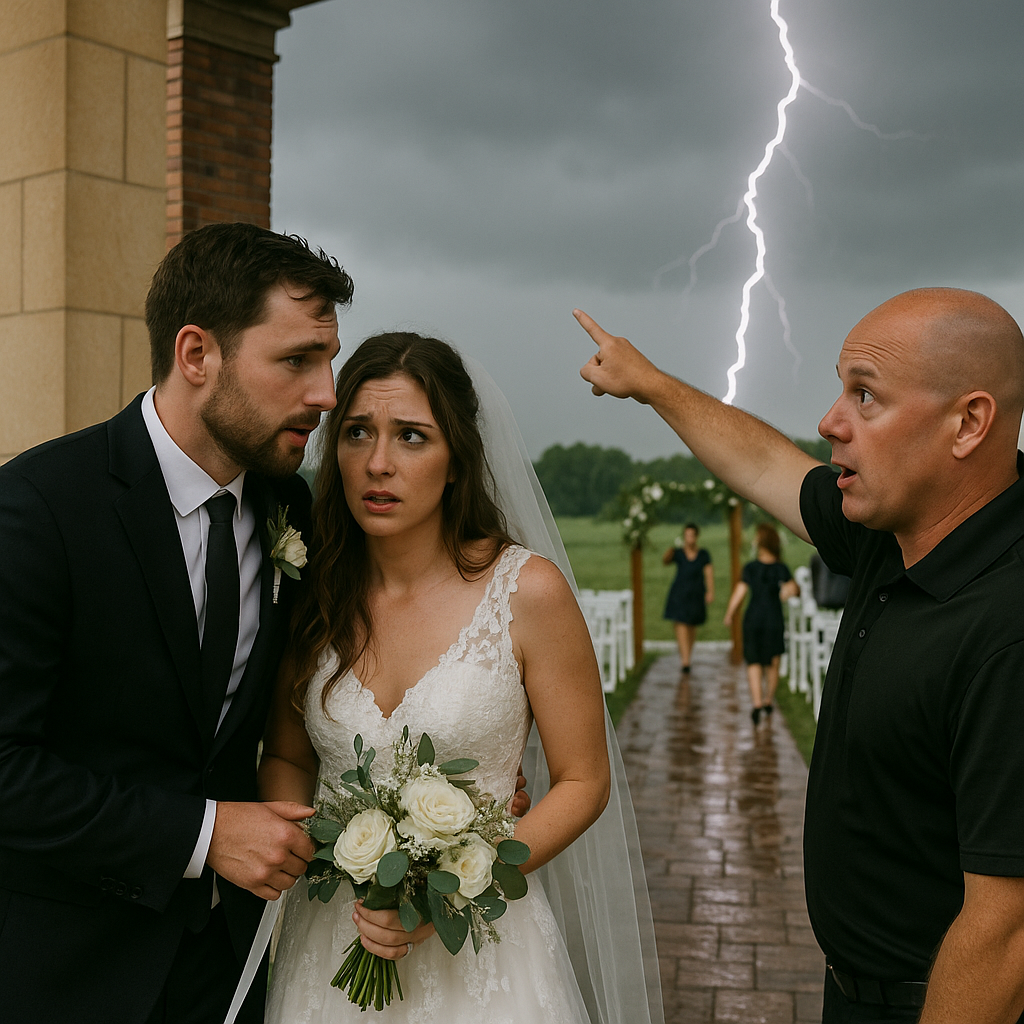
In South Florida, a clear morning doesn't promise a clear 5 p.m. ceremony. Warm-season afternoons often bring fast-building thunderstorms, and the hardest call on a wedding day isn't whether it will rain. It's when to stop the ceremony, where to move 150 guests, and when it's actually safe to go back outside.
The National Weather Service (NWS) has clear guidance on all three. Below, we turn it into a simple stop, shelter and restart protocol you can build into your timeline before the day arrives.
The Rule in One Sentence
The NWS message is short: "When Thunder Roars, Go Indoors." If you can hear thunder, you are likely within striking distance of the storm. According to the NWS's lightning safety tips, you should:
- Stop: Move to safe shelter as soon as you hear thunder. Don't wait for rain or for lightning to look close.
- Shelter: Go inside a substantial building or a hard-topped, enclosed vehicle.
- Restart: Stay inside for at least 30 minutes after the last thunder you hear. If thunder sounds again during that window, the 30 minutes start over.
The NWS points out that many lightning injuries happen because people wait too long to go inside, or go back outside too soon because the rain eased up. Light drizzle and a brightening sky do not mean the threat has passed.
Why the Tent Doesn't Count
Couples often assume the reception tent is a backup shelter. For rain, it is. For lightning, it isn't. The NWS states plainly that a tent offers no protection from lightning, and its safety overview lists rain shelters and small sheds as unsafe places.
The same logic applies to other structures that look sheltered but aren't:
- Ceremony arches, pergolas and gazebos
- Open-sided pavilions and picnic shelters
- Cabanas, umbrellas and covered bars
- Golf carts, trolleys and convertibles
- Isolated trees, which are one of the worst places to stand
Keep the tent in your plan for rain and shade. Just don't count it as your lightning plan.
What Counts as Safe Shelter
The NWS defines safe shelter as a substantial building with electricity or plumbing, or an enclosed, metal-topped vehicle with the windows up. For most weddings, that means the venue's main hall, clubhouse, ballroom, lobby or restaurant, not the bridal suite in a detached cottage unless it meets the same standard.
Once inside, NWS recommends staying away from windows and doors, off porches and balconies, and away from corded electrical equipment and plumbing. Cell phones are fine. For your vendors, that means the DJ and AV team should step away from plugged-in gear, and catering staff should pause work at outdoor stations.
Build the Protocol Before the Wedding Day
The NWS advises groups to have a lightning safety plan ready to use and notes that large groups need extra time to reach a safe place. A wedding is a large group that includes older relatives, children, heels on grass and a dress with a train. Plan for that.
- Name one weather lead. Usually the planner or venue coordinator. This person monitors conditions and makes the call. Couples shouldn't have to decide mid-vow.
- Confirm the shelter with the venue. Ask which building guests will use, whether it holds your full guest count, and whether the venue has its own lightning or severe-weather policy. Rules and procedures vary by venue, so confirm in writing during your final walkthrough.
- Time the walk. Walk from the ceremony site to the shelter at guest pace. If it takes eight minutes, your trigger to move needs to come earlier than it would at a site with a building next door.
- Choose your monitoring tools. The NWS calls NOAA Weather Radio the best source of up-to-date warnings and also recommends internet, phone, radio or TV updates. For outdoor groups, it recommends professional lightning detection equipment. Ask whether your venue uses one.
- Watch the local forecast. Check the NWS Miami–South Florida office in the days before and the morning of. If thunderstorms are expected near ceremony time, the NWS advises postponing or adjusting early rather than waiting it out.
- Script the announcement. Have the officiant or DJ ready with one calm line: "We're taking a short weather break. Please follow the team inside to the [building]. We'll resume soon." Calm and specific beats urgent and vague.
- Assign vendor roles. Who guides grandparents, who carries the rings and marriage license, who covers the sound system, who moves the cake. Everyone should know their job before the first rumble.
- Pad the timeline. A single storm cell can mean a 45- to 60-minute pause once you add the 30-minute wait and resetting. Build flex into the photo window and ask your caterer how a delay affects food service.
On the Day: Stop, Shelter, Restart
Stop
The trigger is the first thunder you hear, or lightning you see. Not the first raindrop, and not "it still looks far away." If the processional is minutes off, it's better to hold guests inside than to start and stop midway.
Shelter
Move everyone into the confirmed building, with guests who need help going first. Parked cars are a valid backup for anyone who can't reach the building quickly. Do a quick headcount of the wedding party and immediate family.
Restart
The weather lead starts a timer at the last thunder heard. Any new thunder resets it to 30 minutes. Use the time well: serve drinks indoors, run family photos inside, or move the ceremony indoors entirely if the venue has the space. Restart only when the full 30 minutes pass with no thunder.
If Someone Is Struck
The NWS notes that lightning victims do not carry an electrical charge and are safe to touch. Call 911 right away, monitor the person, and begin CPR or use an AED if needed. Ask your venue where its AED is located during the walkthrough. It's a small question that matters.
Frequently Asked Questions
Is a tent safe in lightning?
No. The NWS says a tent offers no protection from lightning. Use a substantial building with electricity or plumbing, or a hard-topped, enclosed vehicle with the windows up.
What should I do if it starts to rain during my outdoor ceremony?
Rain alone isn't a lightning signal. If there's no thunder or lightning, you can often continue under cover or pause briefly. As soon as anyone hears thunder, stop and move to safe shelter, then wait at least 30 minutes after the last thunder before going back outside.
Why 30 minutes, if the storm seems to have moved on?
Lightning risk drops as a storm moves away but doesn't end when the rain stops. The NWS identifies going back outside too soon as a common cause of lightning injuries, which is why the clock starts at the last thunder, not the last raindrop.
How can I prepare for South Florida afternoon storms?
Choose a venue with a confirmed indoor space that fits your guest count, consider an earlier ceremony time during the warm season, assign one weather lead, and agree on your stop, shelter and restart plan with your planner and venue in advance. When thunderstorms are in the forecast, adjust early instead of hoping they hold off.
At VNV Events, weather planning is part of every outdoor timeline we build across Broward, Miami-Dade and Palm Beach. If you're weighing an outdoor ceremony, we're happy to walk you through how the plan works at your venue.
Visuals