
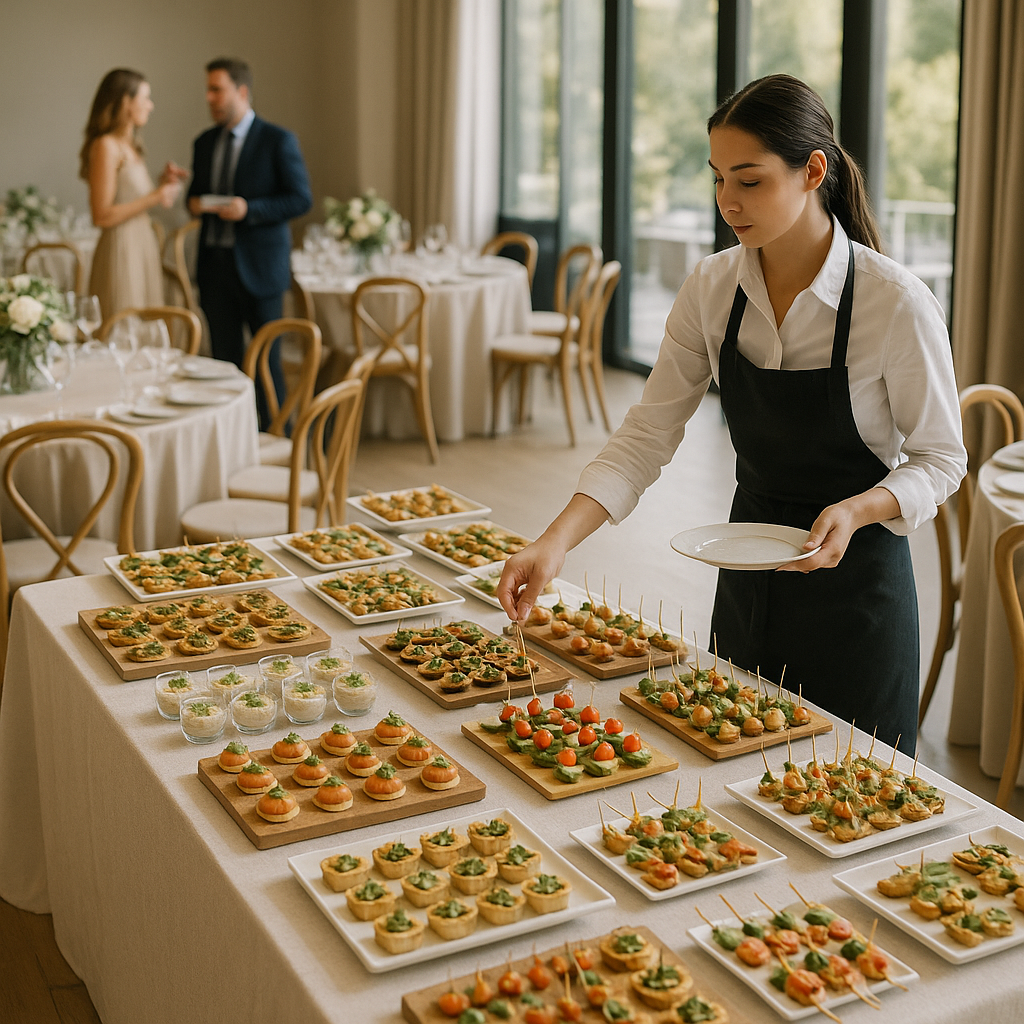
Picture a food display that looks stunning in photos, but once service starts, the line blocks the walkway, a guest with an allergy can't tell what's safe to eat, and no one can say what's in the sauce. The setup may be beautiful. The experience, though, also depends on eating well, waiting a reasonable amount of time and getting clear information.
That's the difference between a showy menu and a service guests genuinely enjoy. And it's the best starting point for thinking about the catering decisions worth making for 2027.
What the 2026 data says and what we project for 2027
This guide looks ahead to 2027 based on published signals about 2026. The directions we suggest are an editorial projection for planning purposes, not results already observed in 2027. The National Restaurant Association's What's Hot 2026 report, based on input from nearly 300 chefs and operators, ranks comfort food and nostalgia first, alongside interest in health and wellness. It also highlights value, understood as a mix of price, quality and convenience, and lists clear menu labeling, allergy-conscious options and local sourcing among its broader trends.
One important caveat: that report is about restaurants, not event catering. What follows is our editorial take on how those signals could translate to a wedding, a family celebration or a corporate event in 2027.
Six directions for planning your 2027 catering
1. Live stations, with the line planned for
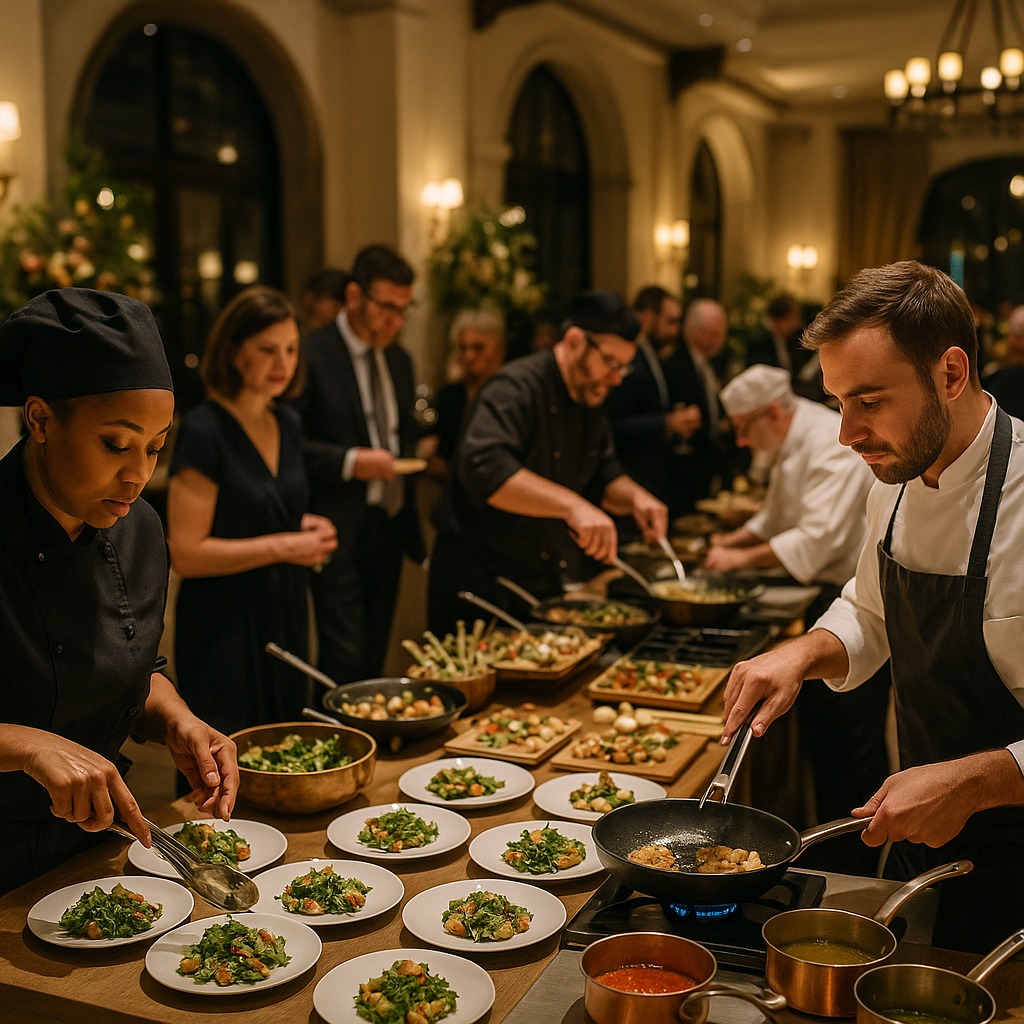
An attended station offers something a tray can't: guests watch their dish being made, chat with the person cooking and make their own choices. But the charm depends on capacity. A made-to-order crepe takes as long as it takes, and if 150 people show up at once, the station turns into a line. Before falling in love with the concept, ask how many plates per hour it can serve, whether two service points would work better than one and which components can arrive prepped to speed things up.
Placement matters too. A station next to the entrance or right beside the bar creates a bottleneck exactly where the most people are moving. If you'd like to compare specific options, VNV Events brings together attended crepe, pasta, pizza, paella and taco stations, plus corporate formats, so you can see which kind of experience fits your event.
2. Personalization that comes with information
Guests want to customize their plates, and that's great. What's changing is the expectation of knowing what they're eating. The FDA notes that the United States recognizes nine major food allergens, including sesame, that some reactions can become severe and that a mild reaction doesn't mean the allergy itself is mild.
That's why personalization is not the same as offering an allergen-free environment. At a station, surfaces, utensils and workflow are shared. Possible accommodations and cross-contact risks should be discussed and confirmed based on each event's menu and operation. In practice, that means collecting dietary restrictions with RSVPs, labeling ingredients visibly and having staff who can answer questions, or check before serving.
3. Comfort food with identity
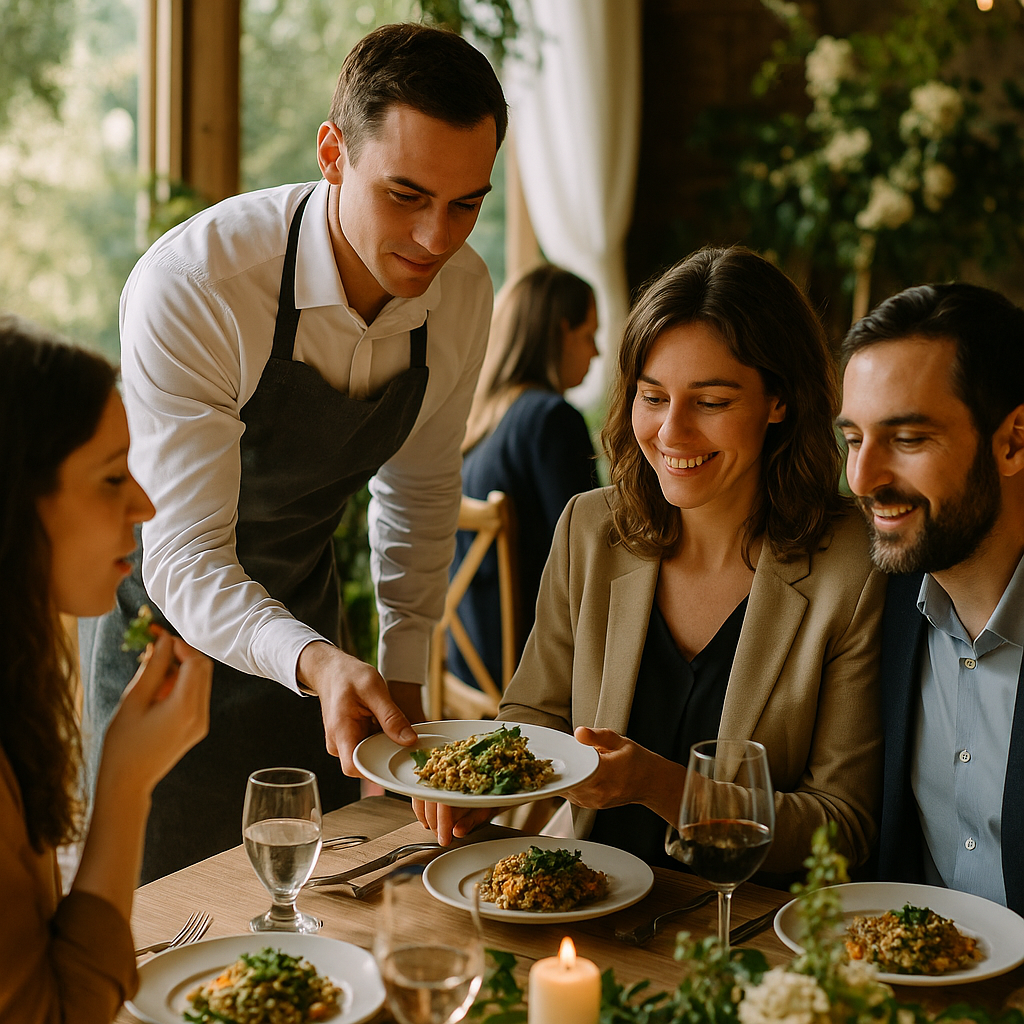
If comfort food keeps gaining ground, the challenge for 2027 will be serving it without becoming predictable. Customizable pasta, pizza, tacos or paella are dishes almost everyone recognizes; the difference lies in the execution and the reason behind it. A sauce finished in front of the guest, ingredients they can identify or a version that connects to a family's heritage or a company's culture turns the familiar into something with personality. In South Florida, where so many traditions share the same table, that connection often matters more than novelty.
4. Value understood as full service
Two proposals can look similar on paper and feel completely different in person. One covers who replenishes the food, who clears plates and who coordinates timing with the planner; the other leaves well-prepared food with no one managing it during the event. Value isn't just the price per person, but what guests experience from start to finish. That's why it's worth reviewing the menu together with the service team: servers, bartenders, captains and operations support that the format actually requires.
5. Smarter portions and replenishment
Getting quantities right isn't only a budget issue. As a principle for preventing waste, the EPA recommends cooking and serving portions that match the number of people. Its guidance is written for households, but the logic applies to any event: estimate based on guest count, timing and service style.
Replenishment matters too. The FDA's buffet guidance for hosts recommends preparing small platters and replacing them rather than refilling ones already set out, and not leaving perishable food without temperature control for more than two hours, or one hour if the temperature is above 90°F. It's consumer guidance, not the local professional food code, but it helps explain why an outdoor afternoon in Miami calls for different planning.
6. Presentation, comfort and pacing
Food doesn't happen in isolation from the rest of the event. Where will older guests sit? Can people hold a plate and a drink at the same time? Is the main course coming out just as the toasts begin? Flawless presentation loses its point if guests can't enjoy it comfortably. Planning the menu together with the timeline, the space and the music is what makes everything feel seamless.
Station, buffet or quick-service format?
No single format works for everything. Stations aren't a universal answer, and many events work best by combining options: appetizers during cocktail hour, one or two stations for the main course and a sweet finish.
| Format | Usually works when | What to plan |
|---|---|---|
| Attended stations | There's a long social window, room for lines without blocking walkways, and the food is part of the entertainment. | Plates per hour, number of stations, staffing and placement within the space. |
| Buffet | Many guests need to eat within a set time window and the menu is varied. | Replenishment with small platters, temperature control, labeling and access from both sides. |
| Quick-service formats (passed appetizers, individual portions, corporate formats) | The event is focused on networking, guests are standing or the time to eat is short. | Server rotation, quantities per person and per hour, and easy-to-identify options. |
Specific questions to ask your caterer
- How many guests can this station serve per hour, and what happens if everyone arrives at once?
- How will ingredients be identified, and who will answer allergy questions during the event?
- What accommodations are possible with this menu, and what cross-contact risks exist in the operation?
- What staff does the proposal include, and who coordinates service with the planner?
- How is food replenished, and how long does it stay out, especially if the event is outdoors?
- How do you calculate quantities based on my guest count, timing and format?
- What does the station need from the venue: power, square footage, ventilation, loading access?
- How does food service fit into the timeline: toasts, first dance, presentations?
From menu to a cohesive plan
At VNV Events, we integrate catering and service teams for events across South Florida, with options ranging from appetizers, brunch and live sweet and savory crepes to customizable pasta, pizza, paella and tapas, tacos, desserts, entrées with sides and corporate formats. What matters most to us isn't which of these options sounds best, but which one makes sense for your guests, your venue and the pace of your event.
If you're planning a celebration or a company event for 2027, we'd love to sit down with you, go over how many guests you expect, what the venue is like, what you'd like to serve and the kind of service you envision, and turn those decisions into a plan that works on event day. You can start that conversation on our VNV Gourmet catering page.