Who's Liable When a Guest Drives Home Drunk? Alcohol Service at Private and Corporate Events
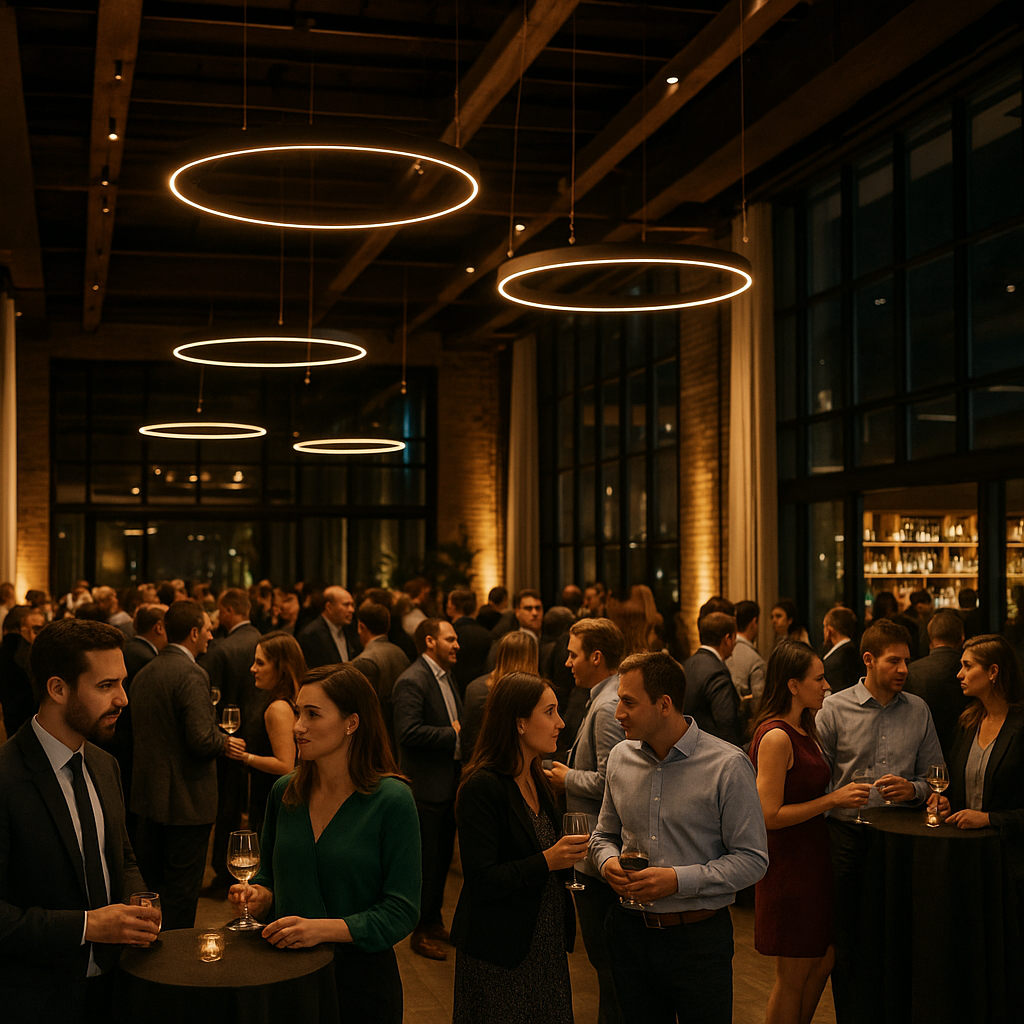
It's 11:40 p.m. The last song just ended, the valet line is ten deep, and a guest who's had three old fashioneds and given one long toast is digging for his keys. If he gets home fine, nobody remembers. If he doesn't, the first question will be: who served him? Here's how Florida actually answers that question, and the decisions that matter more than any waiver you could print.
Florida's Short Answer: Liability Is Narrow, But Not Zero
Many people assume Florida has a broad "dram shop" law that makes whoever poured the drink responsible for whatever happens next. It doesn't. The key statute is Section 768.125, Florida Statutes, and its default rule protects the server: if you sell or furnish alcohol to someone of legal drinking age, you generally aren't liable for injuries caused by that person's intoxication.
The same statute carves out two exceptions where liability can attach (Fla. Stat. § 768.125):
- Willfully and unlawfully serving someone under 21. This is the exception that catches the most hosts, because underage guests show up at weddings, graduations, quinceañeras and company parties with interns on the guest list.
- Knowingly serving someone habitually addicted to alcohol. The key word is knowingly. This exception is about actual knowledge of a guest's addiction, not simply noticing that someone looks tipsy.
Here's the practical takeaway: in Florida, the real exposure for most event hosts isn't "a guest had too much." It's "a minor got served," or "we kept pouring for someone we knew had a drinking problem." Plan around those two scenarios first.
The Underage Guest Is Your Biggest Risk
Florida's criminal law on minors is broader than the civil statute. Under Section 562.11, a person may not sell, give, serve, or permit to be served alcohol to anyone under 21. A violation is a second-degree misdemeanor, and a repeat within a year becomes a first-degree misdemeanor. Note the words "give" and "permit." This isn't limited to bars that ring up a sale.
The same statute provides a defense if the server carefully checked a valid ID (such as a driver license, state ID, passport, or U.S. Uniformed Services ID), the person appeared to be of age, and the server acted in good faith (Fla. Stat. § 562.11(1)(d)). That's why ID checks at the bar are a basic step and not just theater.
If the party is at a home, there's another layer. Florida's open house party law (§ 856.015) makes it a misdemeanor for an adult who controls a residence to allow a gathering where they know a minor is drinking and don't take reasonable steps to stop it. The penalty increases if a minor is seriously hurt or killed, or seriously injures or kills someone else.
Private Party vs. Corporate Event: What Changes
The legal principles don't change much between a backyard anniversary and a 300-person company gala. What changes is who is actually in control of the bar, and that's the question to answer before the contract is signed.
| Situation | The question to settle | The decision to make |
|---|---|---|
| Home party with mixed ages | Who is controlling access to drinks, and how will under-21 guests be identified? | Use a staffed bar instead of a self-serve cooler, and have a visible way to identify guests who are 21+. |
| Corporate party with interns or young staff | Does the guest list include anyone under 21? | Ask HR before the event, not at the bar. Brief the bartenders on the answer. |
| Cash bar or guests buying drink tickets | Is alcohol being sold, and who holds the license to sell it? | Selling alcohol is licensed and regulated by the Florida DBPR Division of Alcoholic Beverages and Tobacco. Confirm in writing whose license covers the sale. |
| Venue with an in-house bar | Is the venue's staff pouring under the venue's license and policies? | Read the venue's alcohol policy, and find out what they require from you, such as insurance certificates, end times, and outside-alcohol rules. |
Who Pours Matters More Than What You Pour
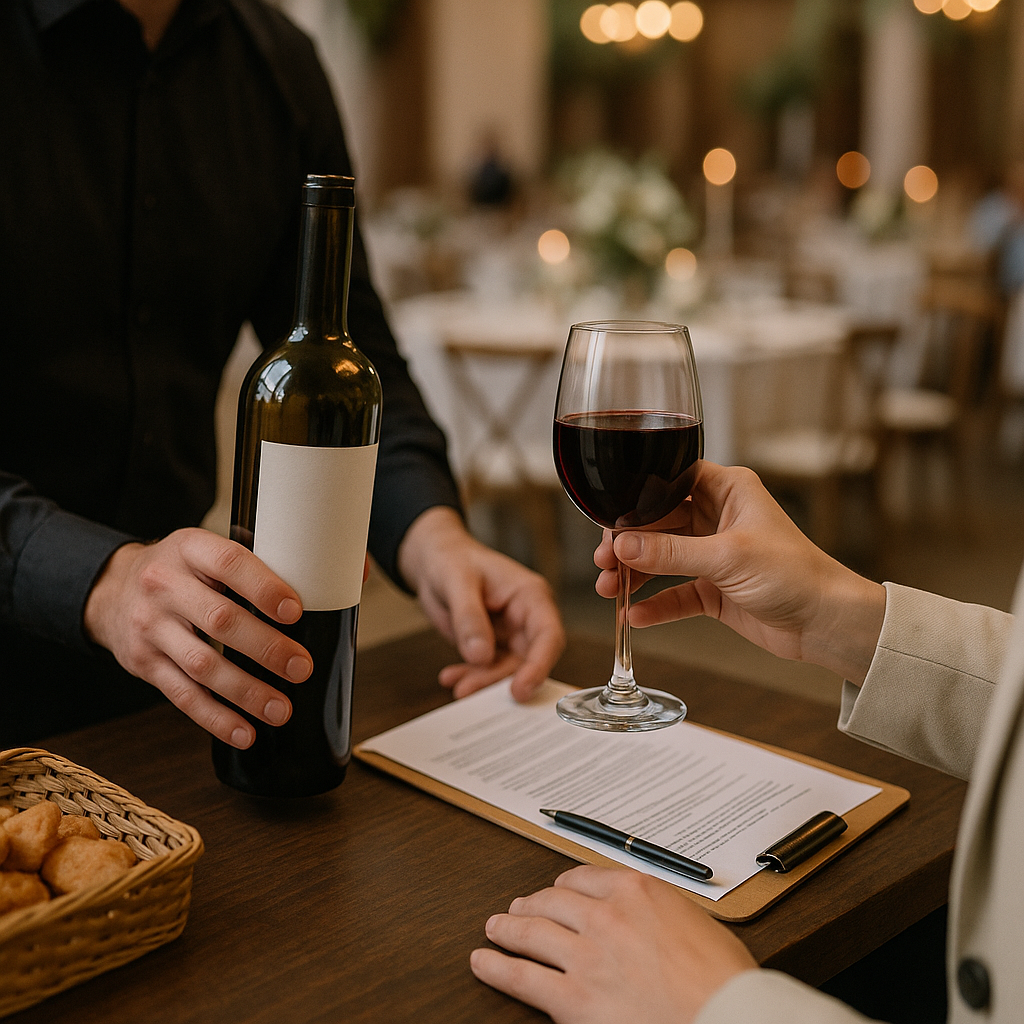
A good bartender is your first and best risk control. Ask whoever is staffing your bar a simple question: Is your team trained in responsible alcohol service?
Florida has a framework for this. The Florida Responsible Vendor Act, administered by DBPR's Alcoholic Beverages & Tobacco division, aims to stop sales to minors and push vendors toward serving policies that prevent over-service and over-consumption. Participation is voluntary, but DBPR considers a vendor's qualified responsible-vendor status as mitigation when deciding administrative penalties (DBPR Responsible Vendors brochure).
What trained service looks like at an event:
- ID checks at the bar, plus a visible 21+ marker (wristband or stamp) so the check doesn't have to be repeated every round.
- Bartenders who are allowed to say no, and a host who backs them up when they do.
- No self-serve stations. Avoid unattended bottles and keep shots off the menu.
- Close the bar before the party ends. Last call 30 to 45 minutes before send-off gives guests time to switch to water and coffee.
- Real food, real water, and good non-alcoholic options that don't feel like a consolation prize.
Getting Everyone Home Is the Whole Point
The law sets your minimum. The stakes set your plan. According to NHTSA's 2024 data, 11,904 people died in alcohol-impaired-driving crashes in the U.S. that year. That's about one death every 44 minutes and about 30% of all traffic fatalities. NHTSA's core advice is simple: plan a sober ride before anyone starts drinking.
For an event, that means making transportation part of the plan from the start:
- Put the ride plan on the invitation so guests arrive without their cars, not just with a plan to leave them.
- Consider shuttles or rideshare credits for corporate events and weddings at venues far from home or hotels.
- Assign one sober point person (not the bartender) whose job at the end of the night is to watch the exits and the valet stand.
- Decide in advance what happens if someone who shouldn't drive asks for their keys. Who calls the ride? Who pays? Don't figure it out at midnight.
Your Pre-Event Checklist
- Will anyone under 21 attend? If so, how will they be identified at the bar?
- Is alcohol being given away or sold? If sold, whose license covers it?
- Is the bar staffed by trained bartenders, and do they have authority to cut someone off?
- What does the venue's alcohol policy require from you?
- Have you talked to your insurance agent about whether your coverage, or an event policy, includes liquor liability for this event?
- When does the bar close, and when does the event end?
- What is the transportation plan, and has it been shared with guests?
Frequently Asked Questions
Does Florida have a dram shop law?
Yes, but it's narrow. Section 768.125 generally shields anyone who serves alcohol to adults. Liability is limited to willfully and unlawfully serving minors or knowingly serving someone habitually addicted to alcohol.
If an adult guest drives drunk after my party, am I automatically liable?
No. Florida's default rule protects people who serve adults of legal drinking age. However, "not automatically liable" doesn't mean "can't be sued." The facts matter, so speak with an attorney and your insurer about your specific event.
What's the biggest mistake hosts make?
Assuming underage guests won't drink. Florida law prohibits giving, serving, or permitting alcohol to be served to anyone under 21 (§ 562.11), and that's also one of the exceptions that can create civil liability.
Is responsible vendor training required for bartenders?
Florida's Responsible Vendor Program is voluntary, but DBPR considers qualified status when weighing administrative penalties (DBPR ABT). Either way, it's a good question to ask whoever staffs your bar.
This article is general information, not legal advice. For questions about your specific event, contract, or coverage, consult a Florida attorney and your insurance provider.
Plan Your Event Responsibly
At VNV Events, the safety of your guests is part of the plan from the first conversation. Contact us to talk through alcohol service for your next event.
Visuals