
Planning a Florida Wedding: What to Know Before You Say “I Do”
- Home
- Blog
- Luxury Weddings
- Planning a Florida Wedding: What to Know Before You Say “I Do”
Introducction:
Florida has become one of the most desirable wedding destinations in the U.S., and it’s easy to understand why: sun-soaked beaches, lush gardens, glamorous resorts, and vibrant cities offer endless possibilities. But planning a wedding in Florida comes with its own set of rules, and knowing them can make the difference between effortlessly chic and unexpectedly chaotic.
Whether you envision a barefoot-on-the-sand ceremony or a black-tie celebration in a historic mansion, here’s what every couple should know before getting married in the Sunshine State.
GoTeamJosh:
Florida Beach Wedding – What are your personal recommendations and pieces of advice?
aeb1022:
March/April will be a great time of year to do it! Definitely have a rain plan just in case, even though those are good weather months. Watch out for spring breaks though… Spring break in FL is almost always in March, and with it being in April most other places in the country, it might be more crowded or expensive than you’d like during both of those months.
I’ve been to two weddings on the beach. One was in August in FL and WAY too hot. Blech. They also had us sit on the sand rather than renting chairs (it was a public beach), and they provided towels for us to sit on, but it was a little awkward in our finery. Plus, as the bridal party walked down the aisle, they accidentally kicked up sand in our faces! Careful of that! The other one was at a beach resort in SC in May- much nicer weather, and with chairs. No complaints about that one, but a nice touch would be to provide sunglasses (sun sets in the west!) and/or flip flops for your guests (plus a safe place to leave their shoes at the entrance to the beach).
As far as location suggestions, it depends on what feel you’re looking for. A lot of the areas between Panama City and Tampa Bay are less “beachy” and more swampy. Carrabelle/St George Island and Steinhatchee both seem like they would be good. (Disclaimer: have never been) They have more of an “old Florida” feel than a resort type atmosphere, though. I would definitely consider the Tampa area, since there are just SO many beaches and vendor options! (St Pete, Clearwater, Largo, Tarpon Springs, Dunedin…) Sometimes with small towns like you’ll find between Panama City and Tampa Bay, you’ll only have a few options for each vendor, or have to pay travel fees from a larger city.
Hope that helps- good luck in planning, and congratulations!
Top Tips for Planning a Florida Wedding
Below are essential tips to help you navigate the process with confidence.
1. Understand Florida’s Weather Patterns
Weather in Florida is famously unpredictable. While the state is known for its sunshine, it also has sudden showers, high humidity and hurricane season. Couples planning outdoor ceremonies or decor setups need to prepare for:
-
Afternoon rain showers, especially in summer
-
Very hot temperatures between May and September
-
High humidity that impacts flowers and makeup
-
Cooler breezes in coastal areas from November to March
Always ask your event planner about backup indoor spaces, shade solutions, cooling fans, or tented alternatives.
2. Pick the Right Region for Your Style
Florida is not one uniform place. Each region offers a different wedding experience.
Popular options include:
-
South Florida for luxury resorts and multicultural celebrations
-
Miami for glamorous photo opportunities and modern venues
-
Florida Keys for intimate oceanfront weddings
-
Orlando for theme park inspired celebrations
-
Tampa and St Petersburg for waterfront venues with a relaxed vibe
-
North Florida for historic mansions and oak filled gardens
Your location determines everything from your vendor pool to your catering options.
3. Choose Your Season Wisely
Wedding season in Florida is very seasonal.
Peak season runs from November to April.
Off season happens between May and October due to heat and rain.
This affects:
-
Prices
-
Availability
-
Guest comfort
-
Outdoor events
If you choose summer, provide cold towels, hydration stations and shaded seating.
4. Plan for Guest Travel and Accommodation
Because Florida attracts tourists year round, block rooms early.
Consider including:
-
Shuttle services
-
Airport information
-
Maps and digital guest guides
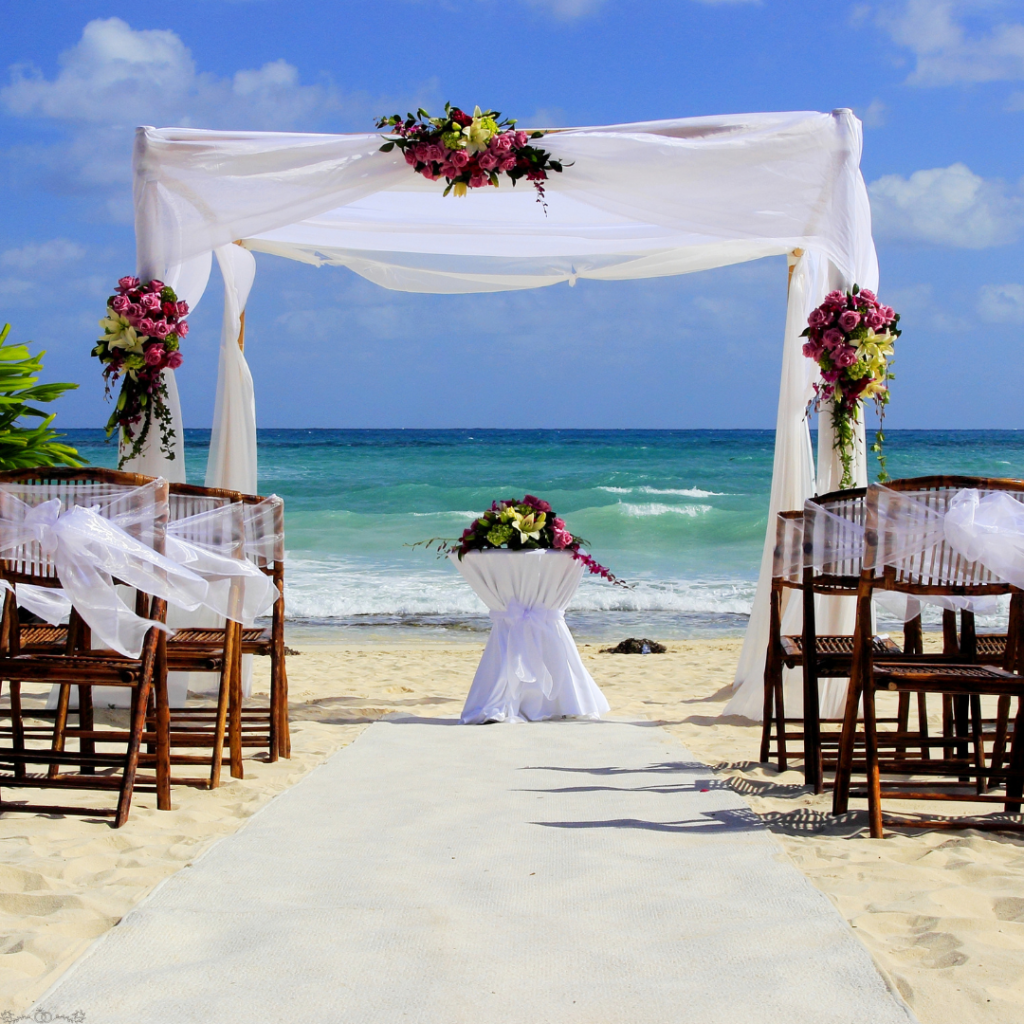
If you are hosting a beach wedding, provide sandal baskets, water stations and sunscreen.
5. Ask About Permits and Local Regulations
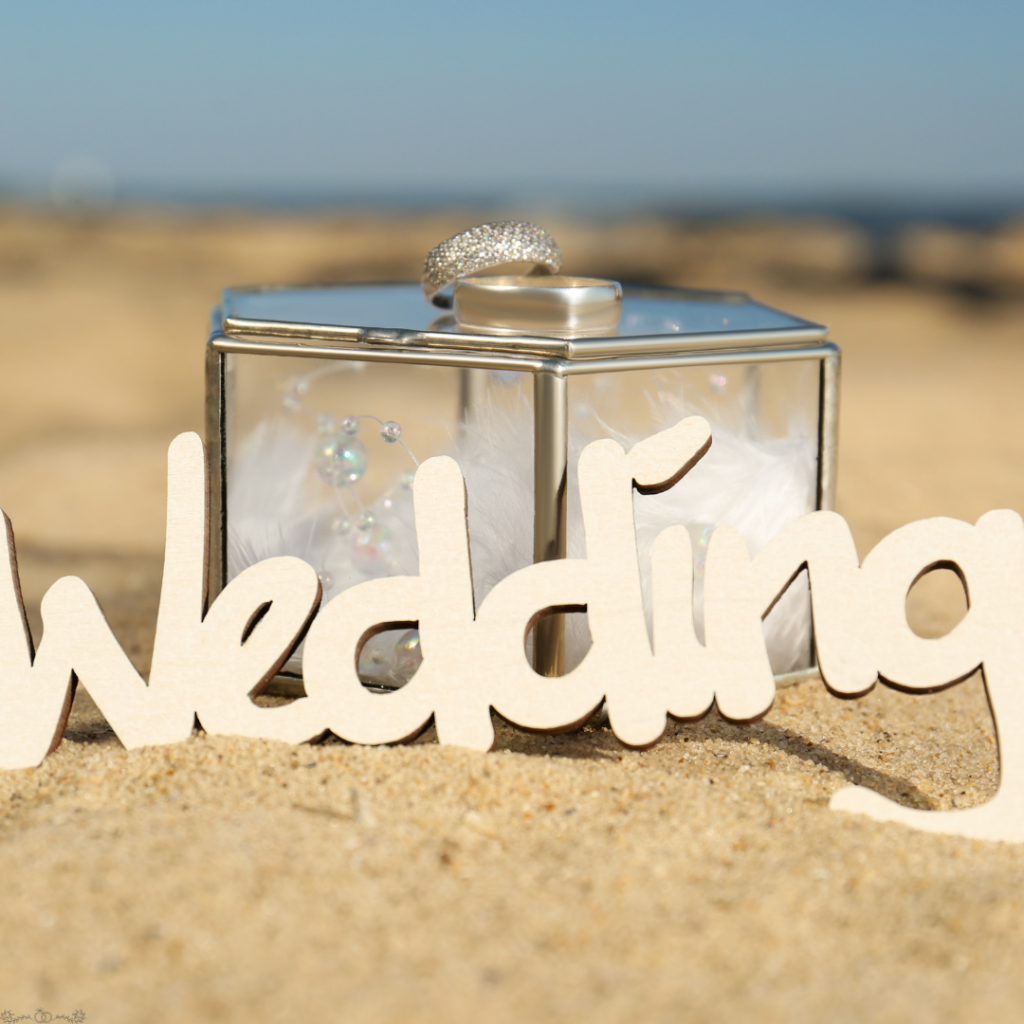
Beach weddings in Florida often require permits depending on the city or county.
Historic estates may have rules about amplified sound or DJ setups.
Public parks have restrictions on décor and staffing services.
Your coordinator can help with compliance so everything runs smoothly.
6. Consider Florida Friendly Menu Options
Because of the weather and regional culture, Florida weddings often feature lighter, fresh and tropical inspired menus.
Popular items include:
-
Seafood bars
-
Ceviche stations
-
Fresh fruit cocktails
-
Caribbean influenced dishes
-
Late night bites to match the party vibe
Your catering team can help customize menus according to season and location.
7. Adapt Your Decor to Florida Conditions
Heat and humidity can affect certain materials, especially fresh flowers.
Talk to your florist about:
-
Heat resistant blooms
-
Seasonal alternatives
-
Ways to prevent wilting
-
Smart placement of centerpieces under shade
If you are planning a beach or outdoor reception, ensure your decor is wind resistant.
8. Create a Weather Backup Plan, Always
No Florida wedding should exist without a plan B.
Your backups may include:
-
Air conditioned indoor spaces
-
Tent options
-
Covered ceremony structures
-
Flexible timelines
This protects your photography schedule and keeps guests comfortable.
9. Consider Sunrise or Sunset Ceremonies
Florida’s coastlines offer breathtaking sky colors.
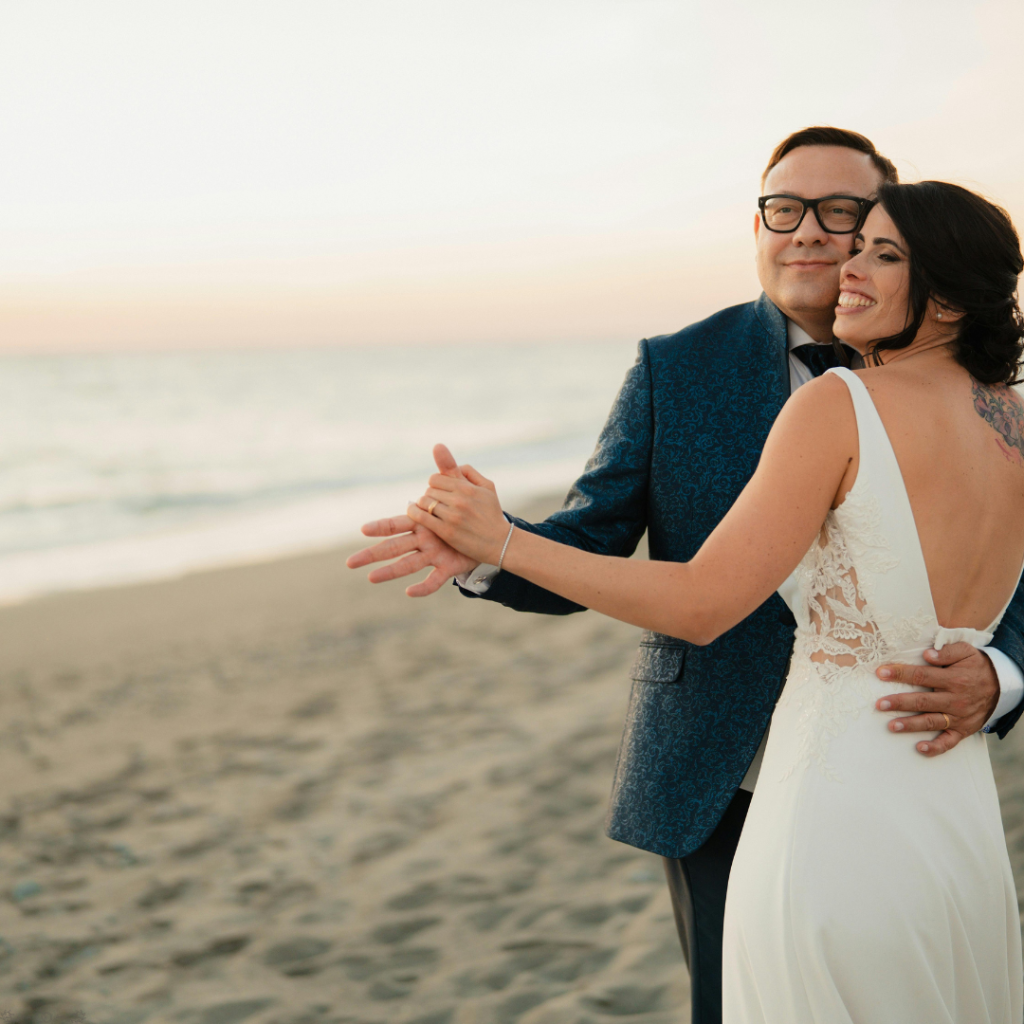
Sunrise weddings are perfect for cooler temperatures and quiet beaches.
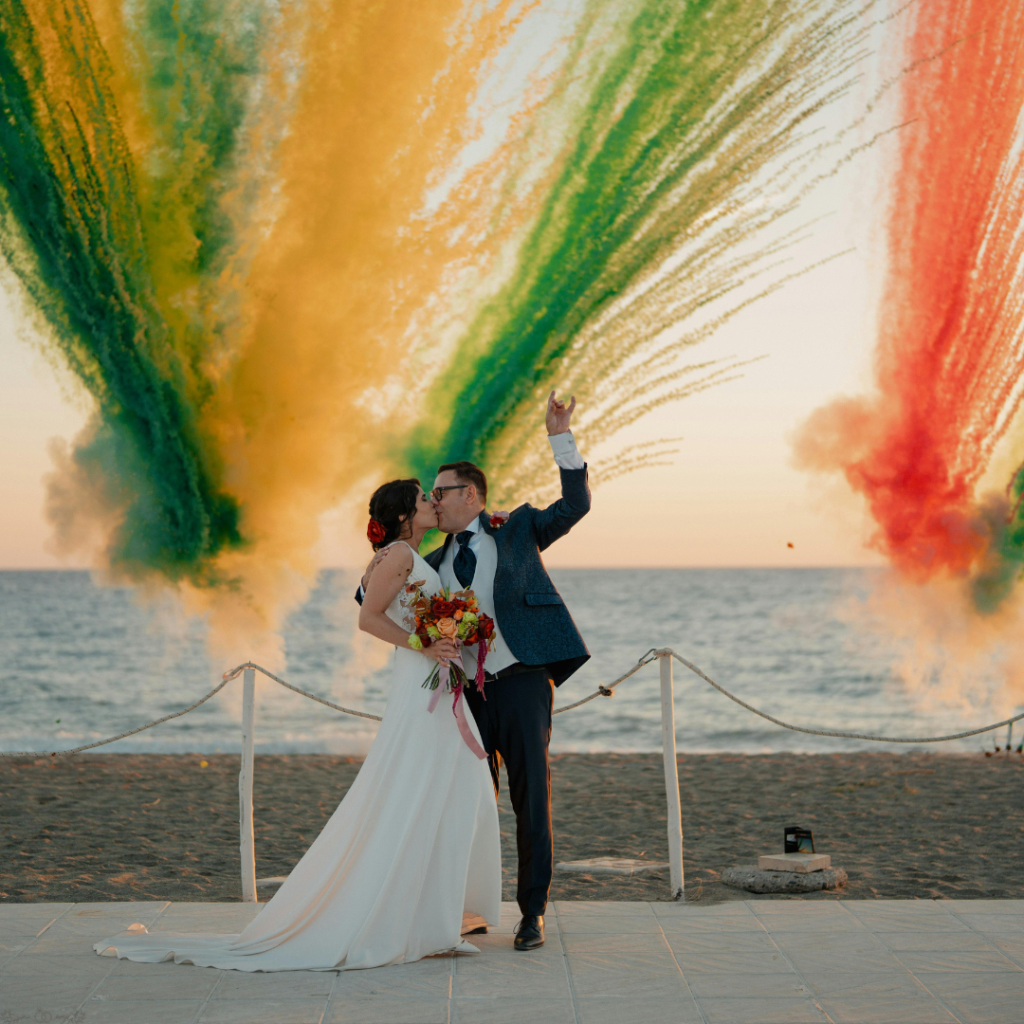
Sunset weddings provide golden hour photos and romantic lighting.
Choose the timing according to your venue and lighting preferences.
10. Hire Local Vendors Who Understand Florida
Local vendors understand the challenges and beauty of a Florida wedding. They know how to handle:
-
Humidity
-
Sudden weather changes
-
Coastal logistics
-
Guest comfort
-
Tourist traffic schedules
They also know the best options for event staffing, dj, photography, catering, decor, and more.